Marching for Reparation & Good Living for Black Women in Brazil & Beyond:

Honoring the Activists of Odara-Instituto da Mulher Negra

Interviews and Introduction by Jaimee A. Swift

Photography and Videography by Sedrick Miles

Marching for Reparation & Good Living:

Honoring Odara-Instituto da Mulher Negra & The 2nd National Black Women’s March for Reparation and Good Living

The great Black Brazilian author, Conceição Evaristo, wrote in her 2003 book, Ponciá Vicêncio: "Life was a mixed time of before-now-after-and-after-still. Life was the mixture of everyone and everything. Of those who were, those who were being, and those who were yet to come."

Here, it is this specific understanding, spirit, fortitude, and ancestral and political resistance in which the activists of Odara-Instituto da Mulher Negra (Odara-Black Women’s Institute)–a Black feminist organization centered in African legacy based in Salvador, Bahia, Brazil–who are organizing the 2nd Black Women’s March for Reparation and Good Living (2ª Marcha das Mulheres Negras por Reparação e Bem-Viver), which will be held on November 25, 2025 in Brasília, the capital of Brazil. 

With Odara-Instituto da Mulher Negra and countless other Black Brazilian feminist organizations spearheading this historic mobilization, the 2nd Black Women’s March will bring together thousands of Black women in Brazil and beyond to demand dignity, self-determination, reparation, good living, and justice for past, present, and future generations of Black people, who have and continue to be victims and survivors of anti-Black, white supremacist, and patriarchal violence; economic and educational disparities; environmental racism; policing; anti-LGBTQI+ discrimination; femicide; reproductive injustice; and more.

On November 18, 2015, the 1st Black Women’s March took place in Brasília, where more than 10,000 Black women marched against racism, violence, and for a good living, which was a social transformation that impacted and defined the direction of the political organization of Black women in Brazil and Latin America. Now, a decade later, Black women in Brazil and all over the world will come together again to march for a future where good living and reparation is a reality for all and not some.

Founded in 2010 by radical Black lesbian feminist activist, historian, and scholar Valdecir Nascimento, who has been a part of the women’s movement for over forty years, the mission of Odara-Instituto da Mulher Negra is to strengthen the autonomy and guarantee the rights of Black women, and to fight against racial and gender-based violence. The Institute develops and supports programs, projects, and agendas aimed at combatting and mitigating the effects of colonialism, racism, sexism, anti-lesbian, bisexual, and transgender discrimination, and related forms of oppression, which impact the quality of life, survival, and material and symbolic conditions of the Black population, especially for Black women. In radical defense for a more just and egalitarian society, the values and principles of Odara-Instituto da Mulher Negra are ancestry, freedom, autonomy, in defense of pluralism, circularity, Black feminism, anti-racism and anti-sexism, in defense of university human rights, and confronting the genocide of the Black population.

What does reparation and good living mean in Brazil, which houses the largest Black population in the African Diaspora and was the last country in the Western hemisphere to abolish slavery? What does reparation and good living mean in a country that enacts unyielding police violence and genocide against Black people? On October 28th, 2025, “Operation Containment” was ordered by Cláudio Castro, the governor of Rio de Janeiro, who authorized more than 2,500 civil and military police officers to raid the Alemão and Penha favelas in Rio under the auspices of “war on crime.” The police officers murdered at least 121 people, making it the deadliest massacre in Brazil’s history. These extrajudicial executions were overwhelmingly enacted against Black and poor communities.

Moreover, the sniper rifles that were used in senseless massacre were sold to the police unit in Brazil by the U.S. government. What does reparation and good living mean in Brazil, which is the country that not only has the highest anti-LGBTQ+ hate crimes in the world–which disproportionately impacts Black travestis and transgender women–but has overwhelming incidences of gender-based violence? Recently, Brazil’s Chamber of Deputies approved a draft legislative degree that would not only prevent girls who are victims of rape from access to legal abortion but also would prevent the Brazilian government from running campaigns against child marriage. The approval of the legislative degree has sparked the nation-wide campaign, “Criança não é mãe” (“A child is not a mother”).

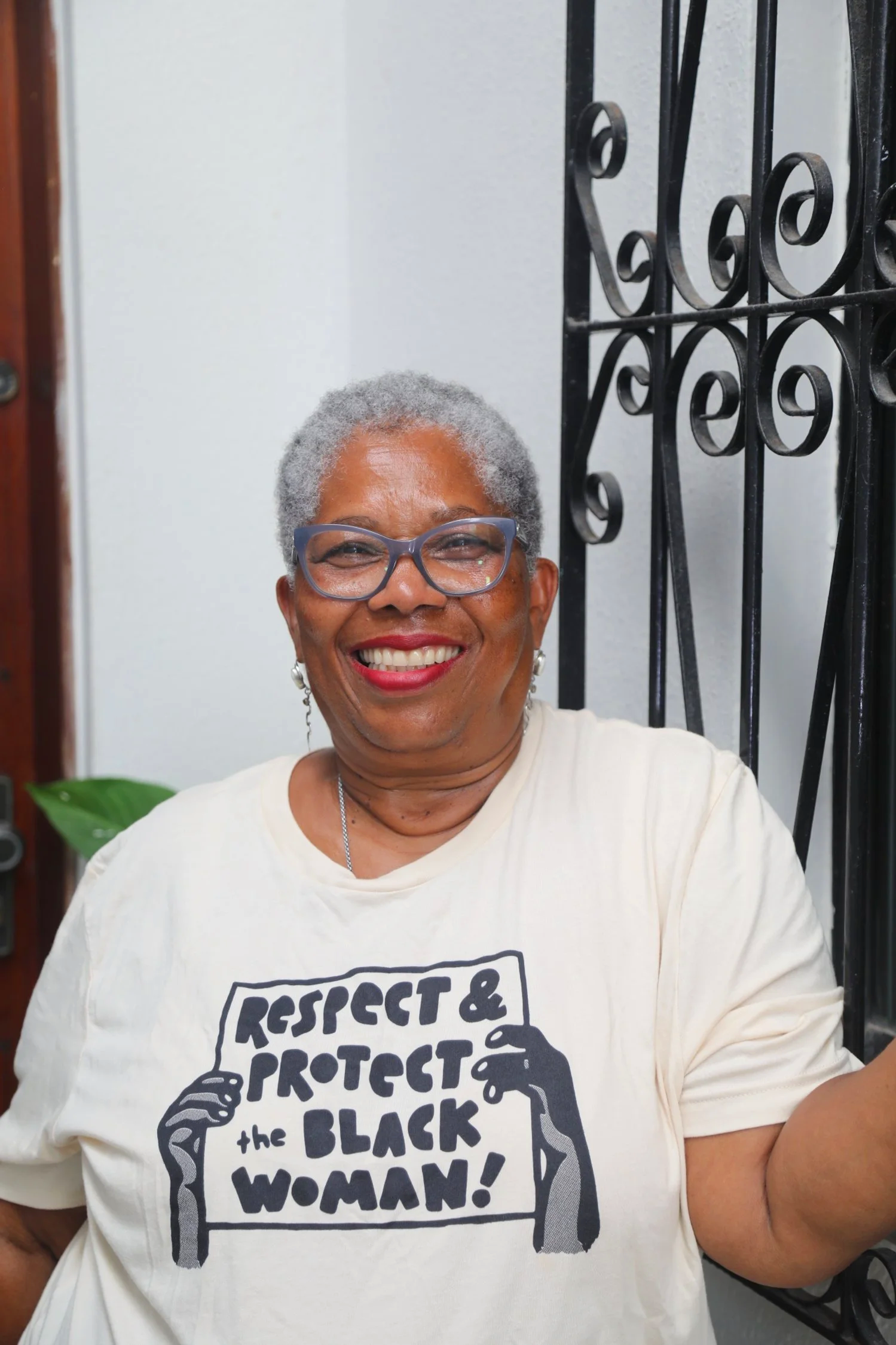
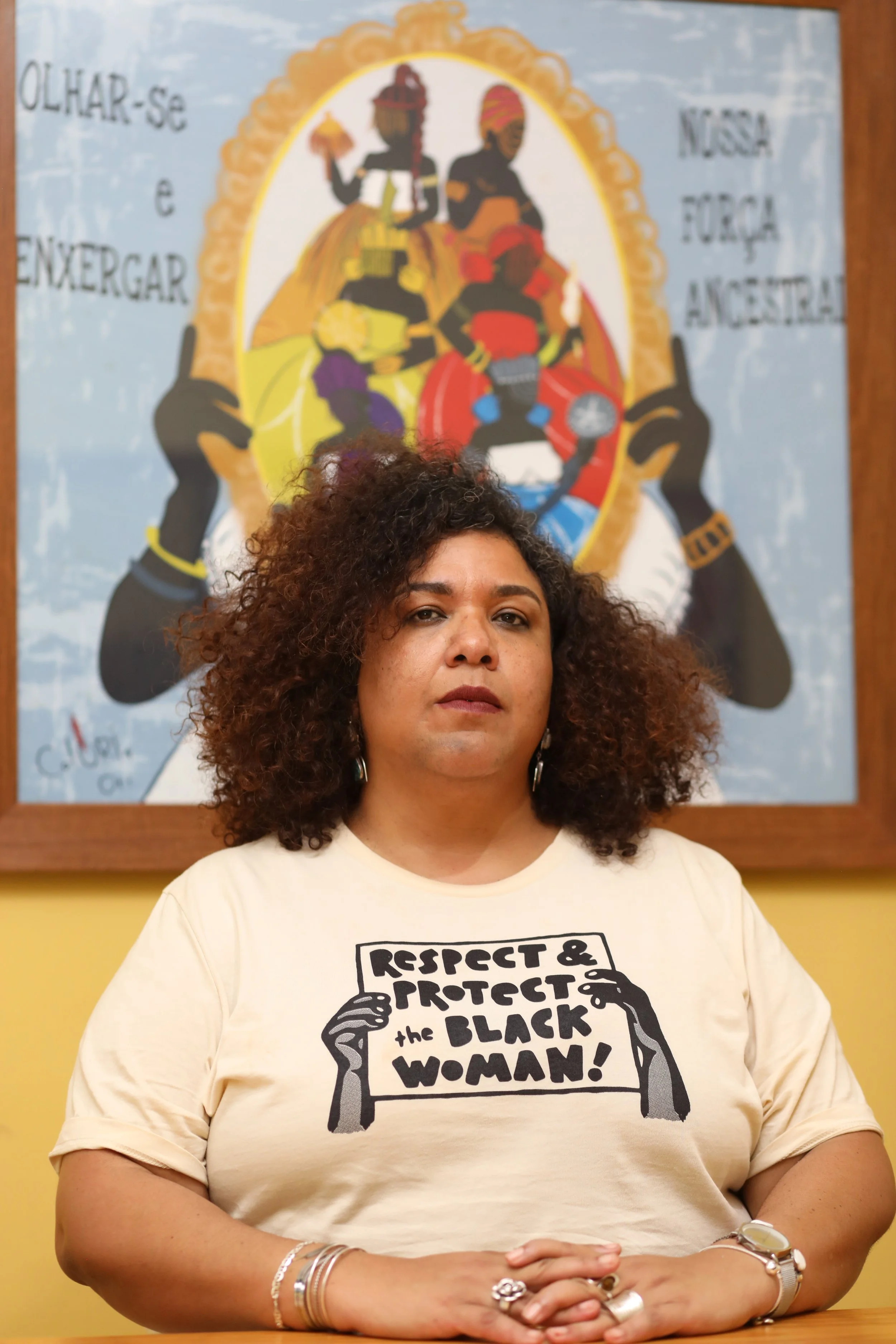
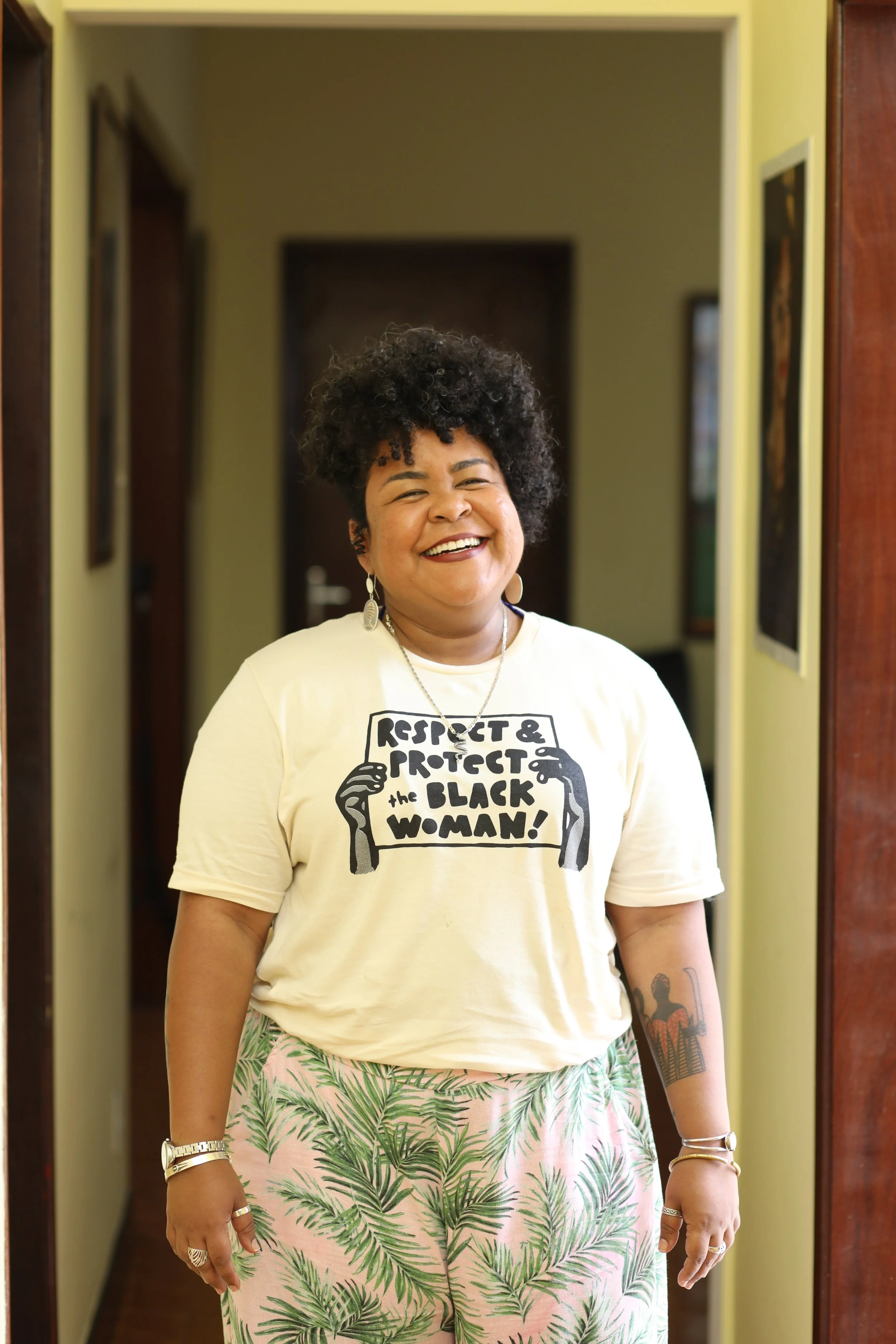
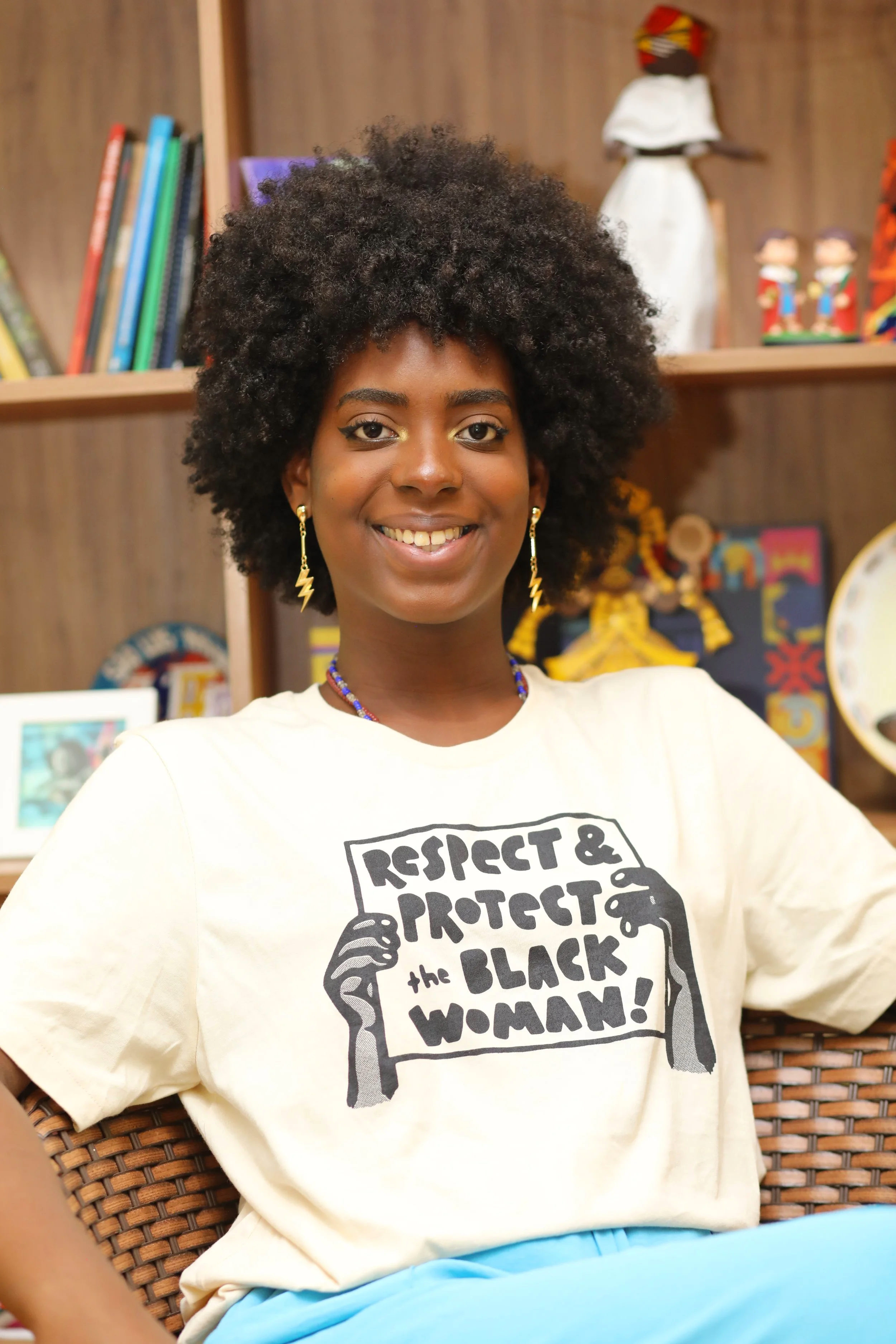
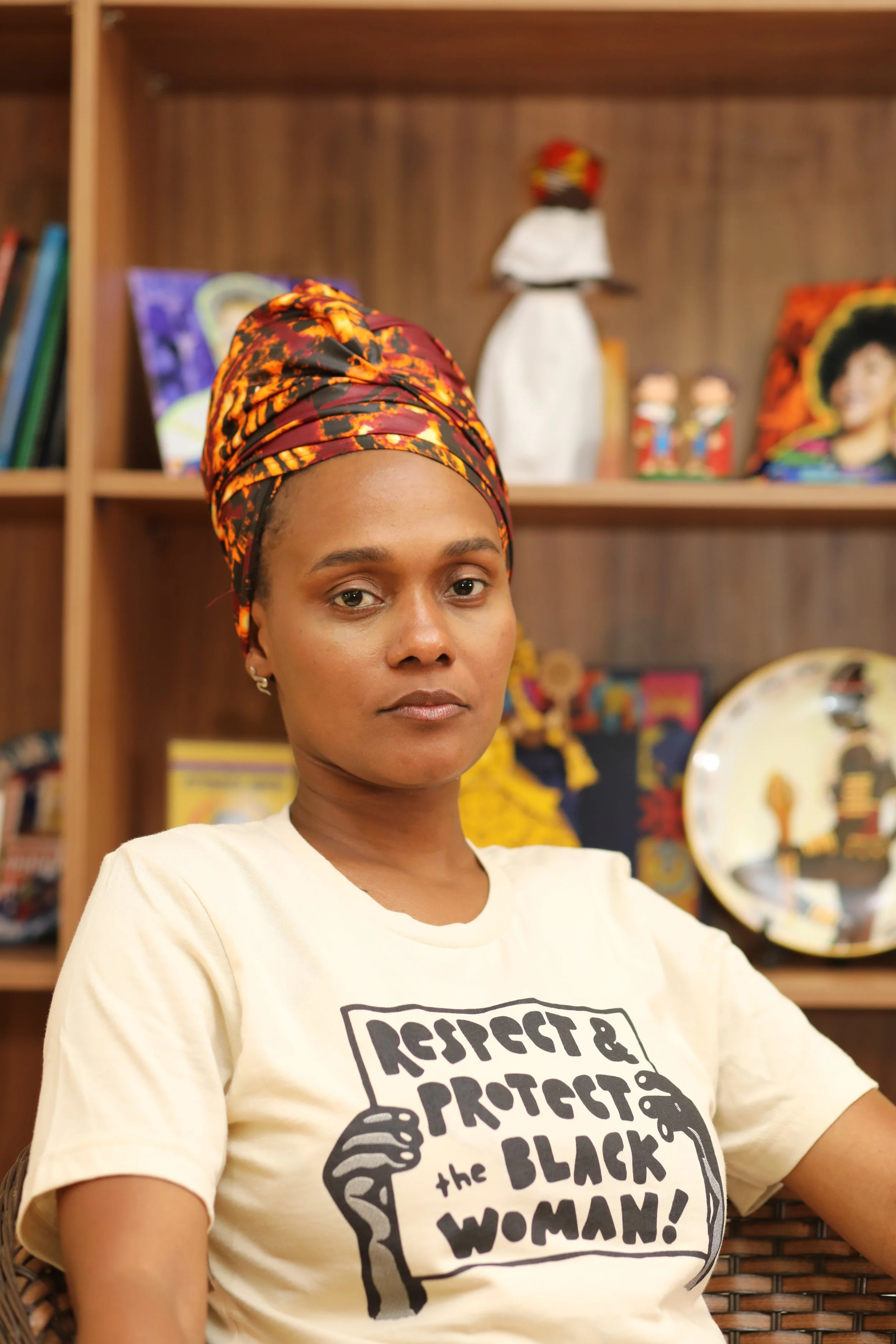
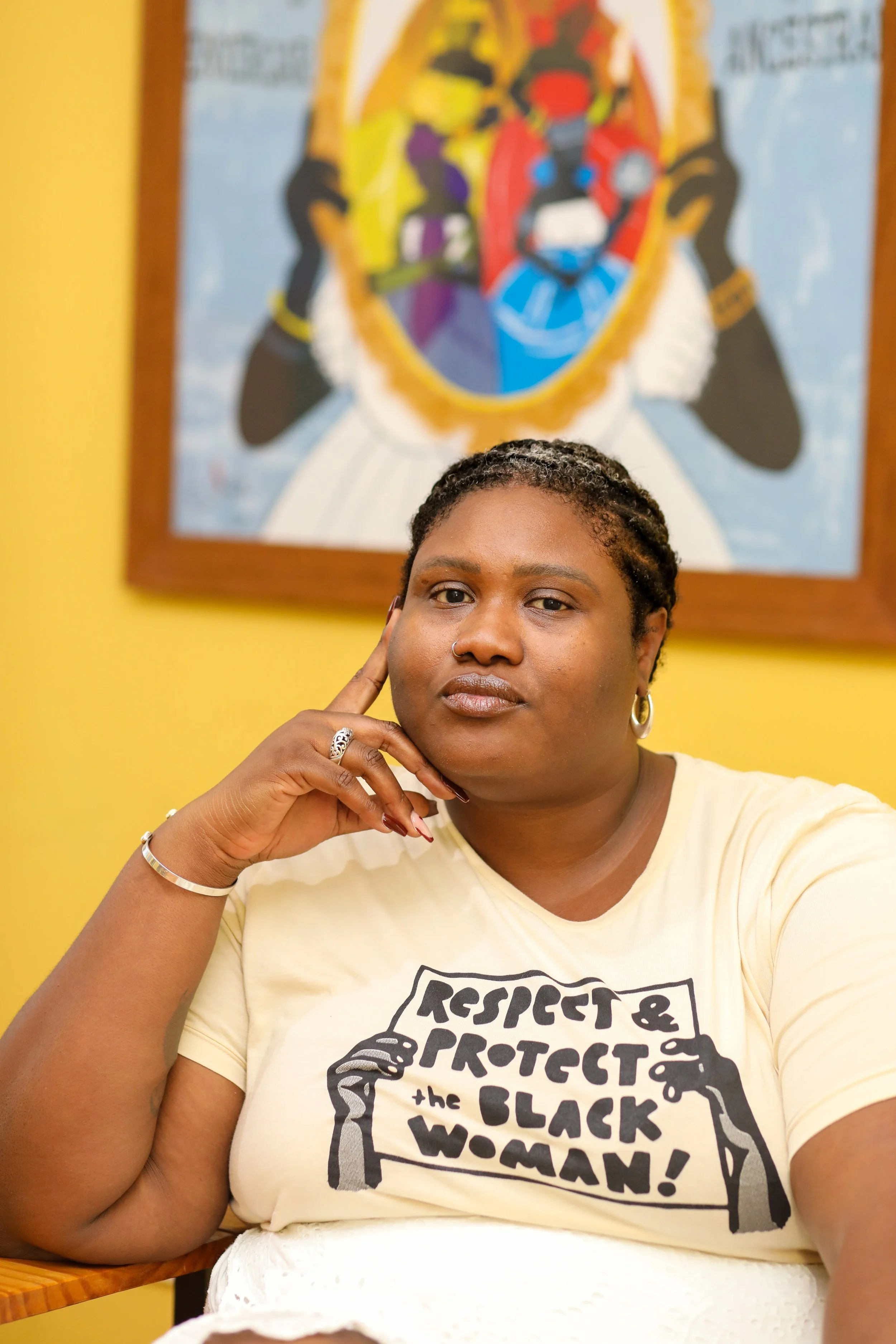
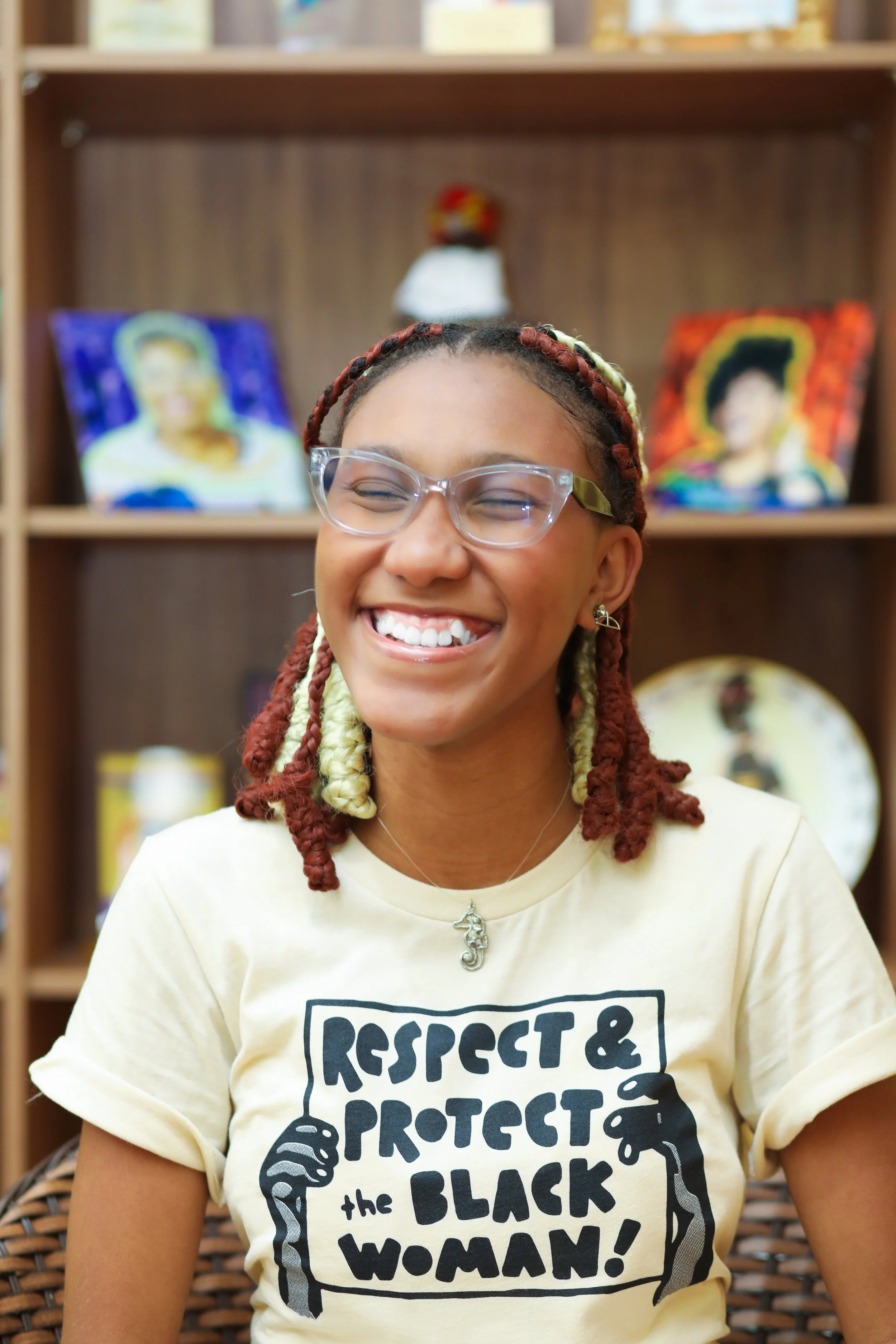
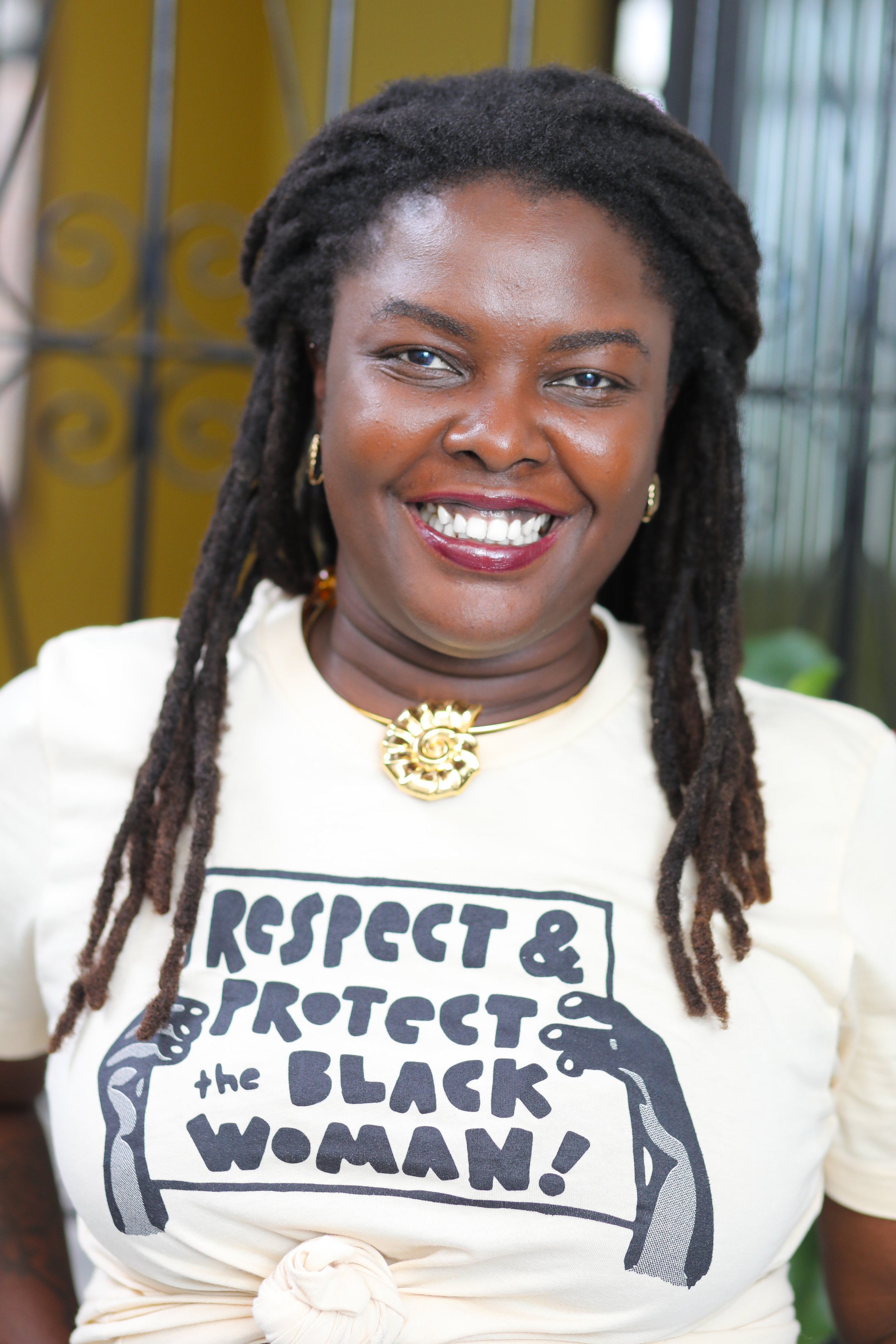
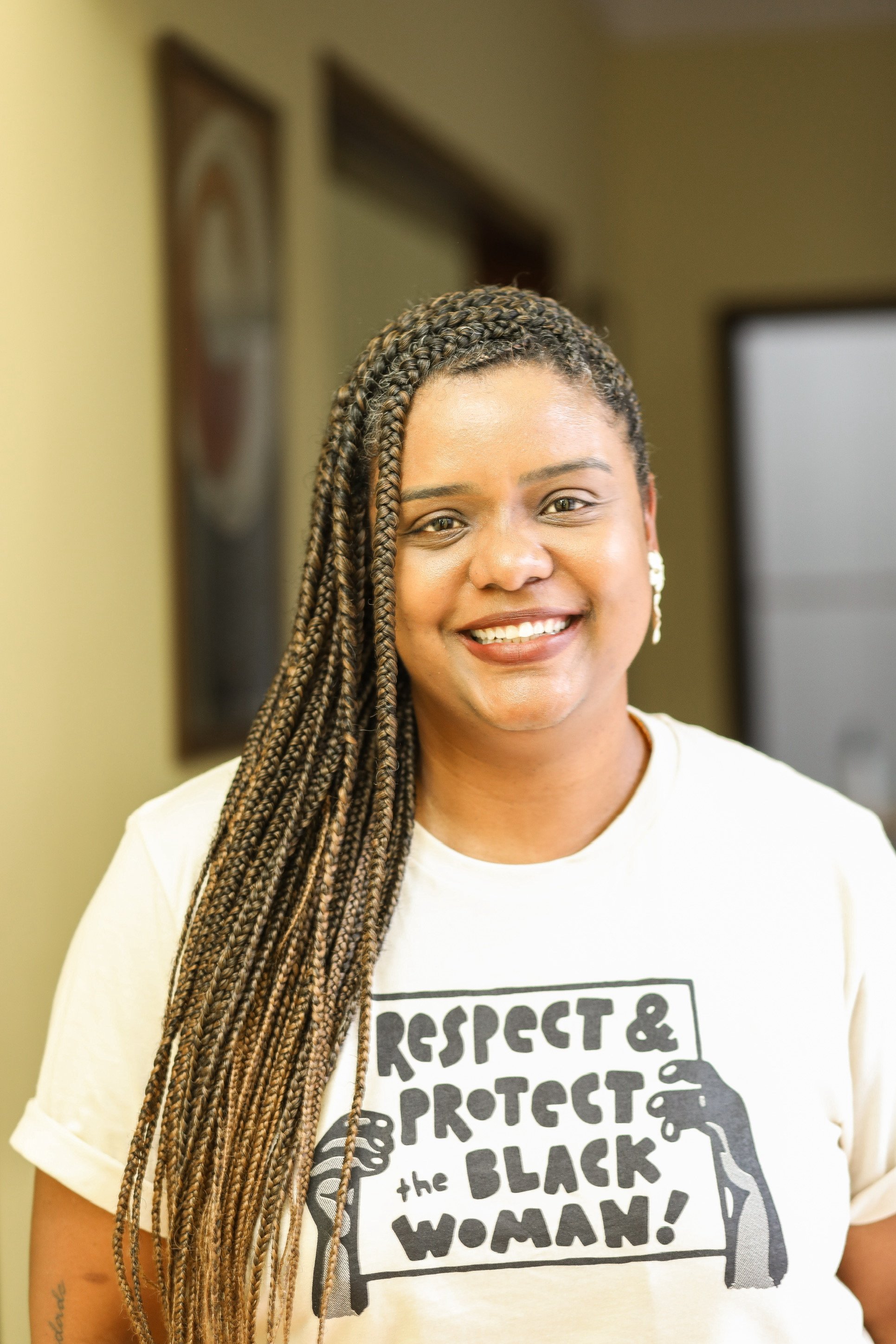
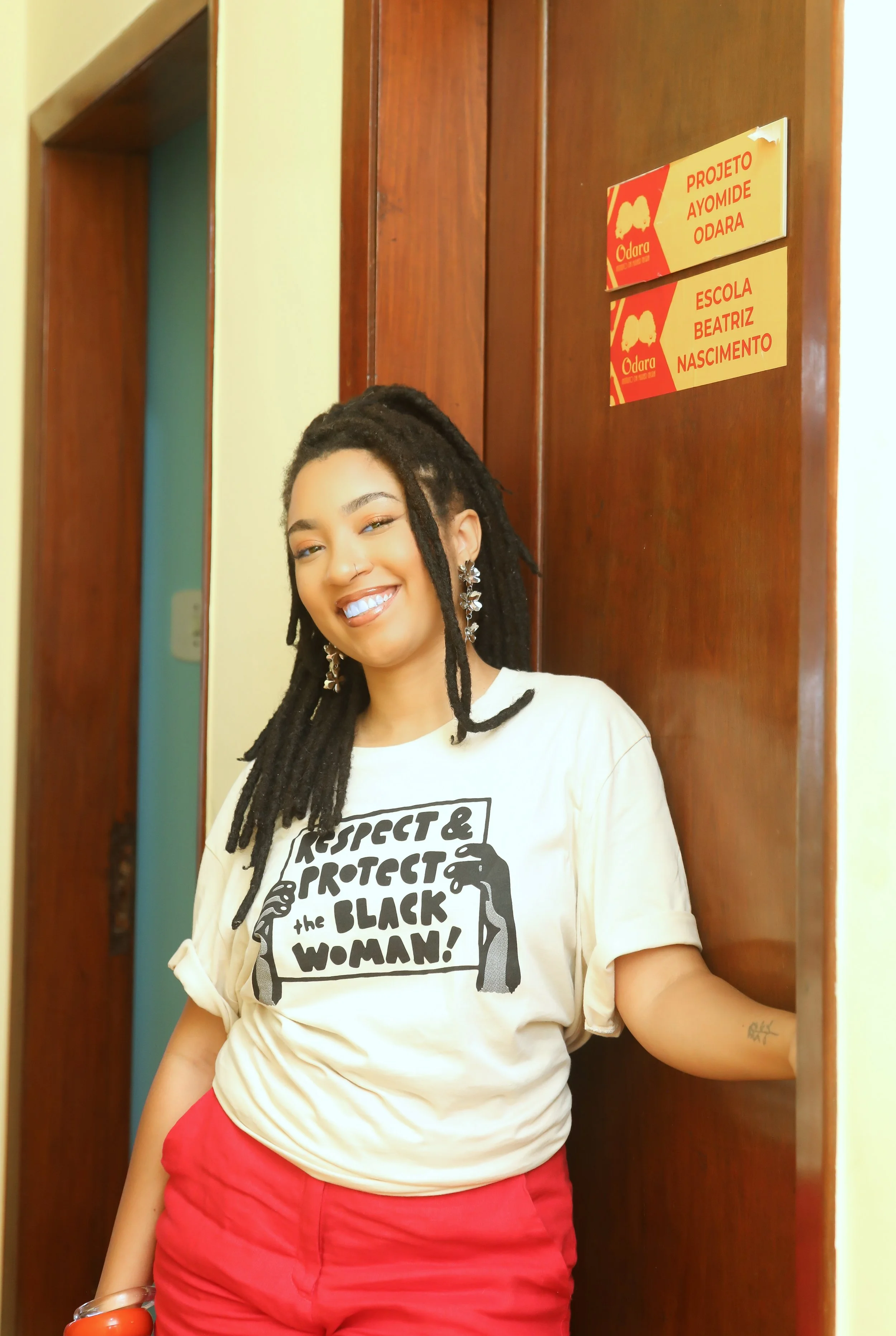
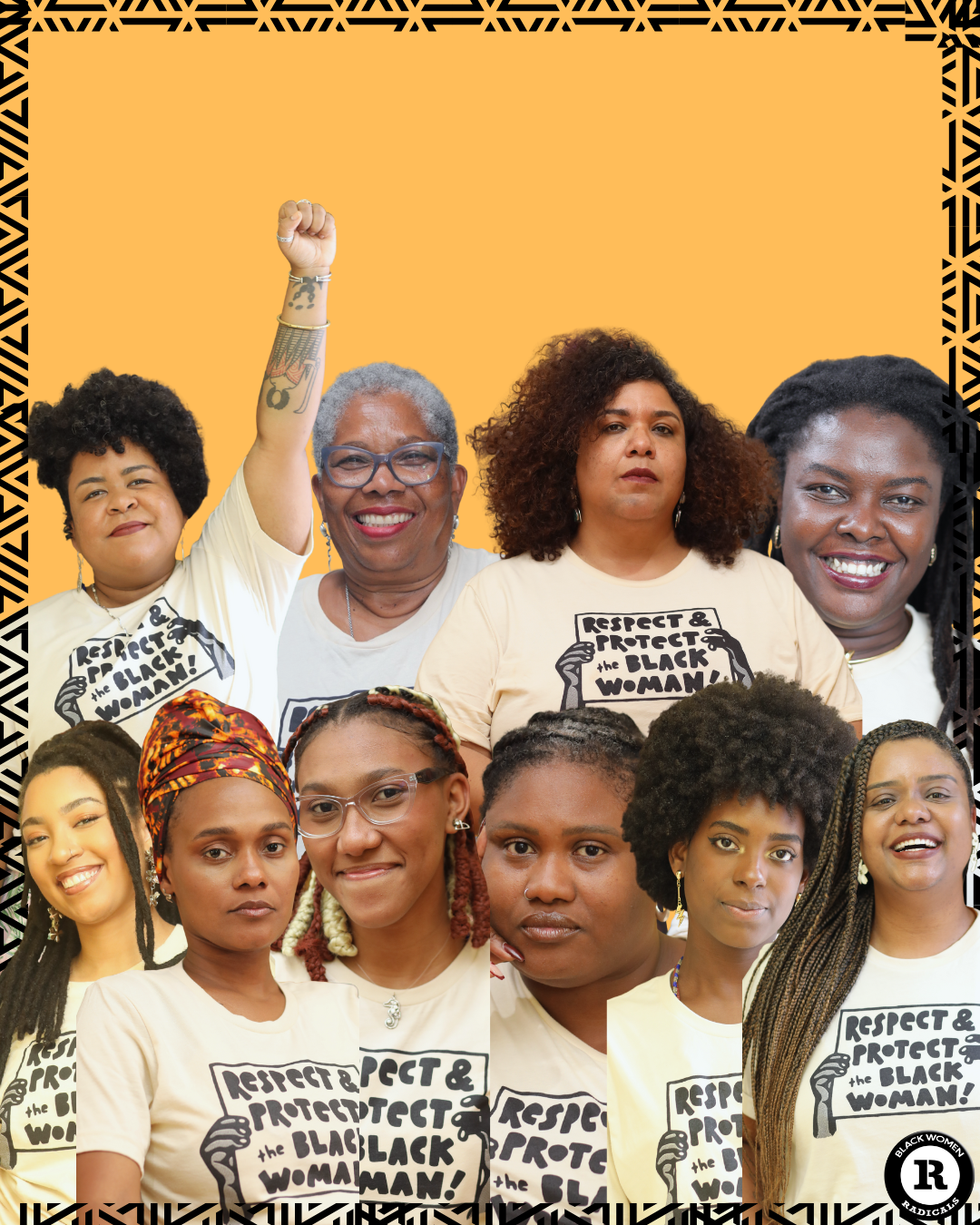
To honor Odara-Instituto da Mulher Negra’s unyielding activism for the rights of Black women, girls, and the Black community writ-large and their leadership in mobilizing the 2nd National Black Women’s March, Jaimee A. Swift, founder and executive director of Black Women Radicals and The School for Black Feminist Politics, interviewed ten activists of Odara-Instituto da Mulher Negra at the Institute’s headquarters including Valdecir Nascimento, Sophia Ayana, Erika Francisca, Naiara Leite, Alane Reis, Gabriela Ashanti Ramos, Bianca Santos Souza, Beatriz Sousa, Luana Souza, and Débora Auana Teixeira, who offered insights on what good living and reparation mean to them as Black feminists, and what it means for the collective freedom and survival and the political project of social transformation for Black people in Brazil and beyond

For more information about Odara-Instituto da Mulher Negra, visit: https://institutoodara.org.br/ 

For more information about the 2nd National Black Women’s March, visit: https://marchadasmulheresnegras.com.br

Meet the Activists of Odara-Instituto da Mulher Negra